
Minted: Earning the Trust of the Next Generation of Wealth
As inherited and newly created wealth reshape luxury, leaders in data, wealth management and private banking discuss what the next generation expects from its advisors.
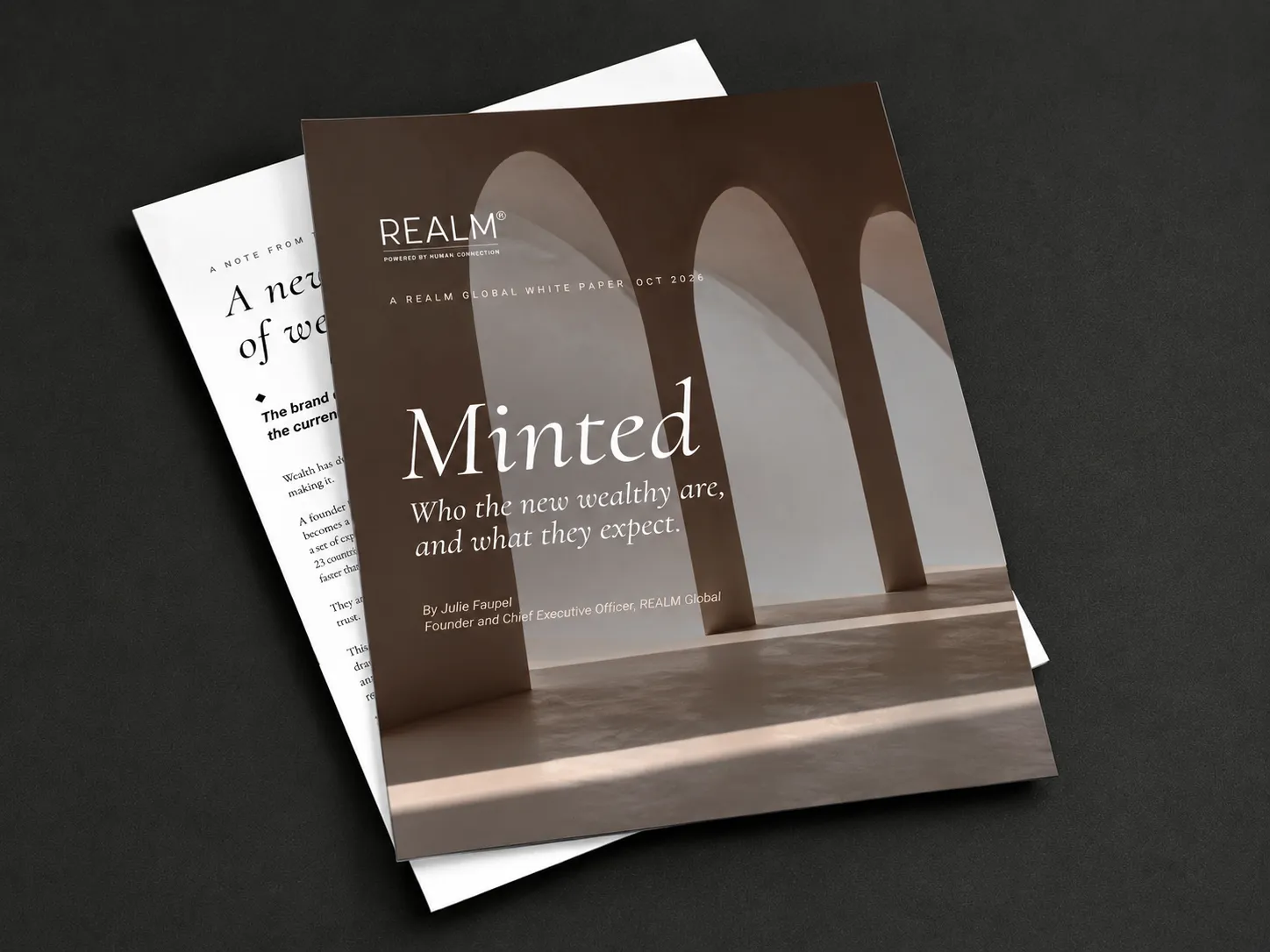
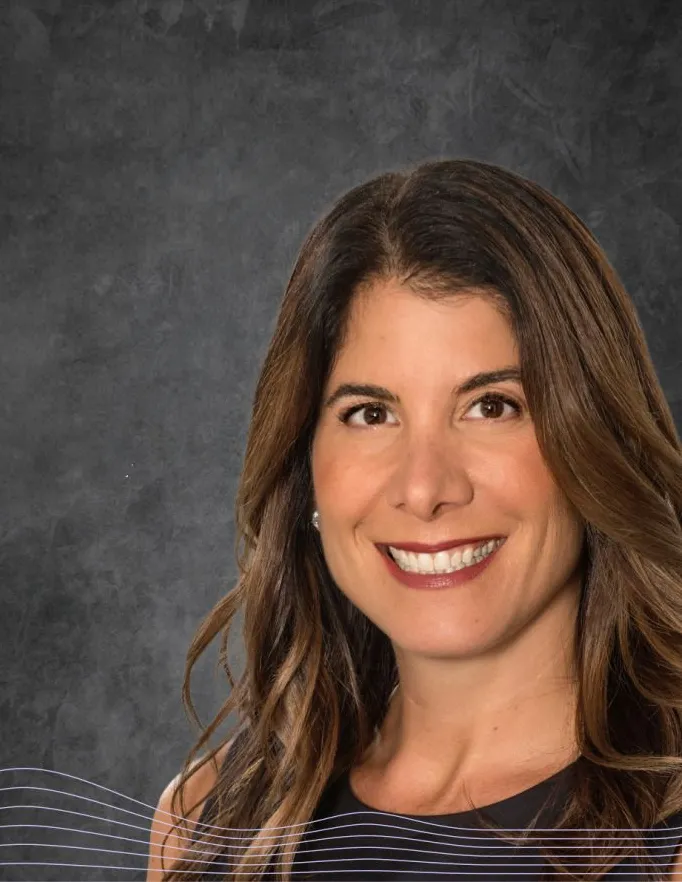
Wealth is changing hands—and being created—in ways that are redefining the luxury landscape. The conversation extends beyond inheritance to entrepreneurship, private equity, technology and the liquidity events that can transform a family’s circumstances almost overnight. With those changes comes a new set of expectations for the people invited to advise them.
REALM’s Minted Visionary Round Table brought together perspectives from luxury intelligence, wealth management and private banking to explore a central question: what does it take to become a trusted advisor to a generation whose relationship with wealth may look very different from that of its predecessors?
Julie Faupel positioned the conversation within REALM’s broader work on Minted and the path toward the 2027 Global Collective, where insights from clients and advisors will help inform a practical playbook for serving evolving wealth.
A new relationship with wealth
Moira Boyle of WealthX described a changing age profile among the ultra-wealthy. While a substantial share of individuals with more than $30 million in net worth remains over 60, she sees an emerging cohort in its 30s, 40s and 50s whose priorities vary by life stage, source of wealth and definition of legacy.
Their purchasing decisions can be remarkably direct. Boyle shared an example of a couple who, after researching a Dubai development independently, purchased a reported $50 million apartment during a brief visit. The story was less about the speed of the transaction than the personal conviction behind it: the home resonated with the way they wanted to live.
Gary Farrow, a private banking executive and co-founder of a lending business, described the additional liquidity that may emerge as private equity investments mature. Abby Seloma of Mercer Advisors offered another example: a biotech founder whose business transaction generated substantial wealth in a single event. Both perspectives illustrated why the right advisory relationships often need to be established before a major financial transition.
For Seloma, real estate belongs within a broader understanding of the client’s life. Homes are not merely portfolio decisions; they are emotional assets connected to family, recreation, identity and the experiences a client hopes to create.
Trust must be earned again
“Loyalty is not inherited,” Seloma observed. Even when wealth passes within a family, relationships with the previous generation’s advisors do not automatically follow.
She discussed the importance of engaging younger family members early, before a transfer of assets. That approach acknowledges that a new generation may have different communication preferences, independent research habits and expectations about the value an advisor brings.
Boyle noted that an AI tool may now be among a client’s first sources of information. By the time an advisor enters the conversation, the client may already have formed opinions about a market, property or professional. Digital visibility therefore matters, but it is only the beginning of a relationship that must ultimately be grounded in judgment, discretion and personal understanding.
Julie added that younger family members may influence research and purchasing decisions even before they become the principal holders of family wealth. Advisors who engage only with the person currently controlling the assets risk overlooking the people shaping what comes next.
Becoming part of the trusted circle
The panel returned repeatedly to the value of connected expertise. Seloma explained that wealth management firms may offer extensive tax, estate and investment capabilities while still looking to trusted local real estate professionals for specialized market knowledge. The right introduction can carry meaningful credibility, but the advisor must continue to earn it through service.
Farrow encouraged members to begin with curiosity: ask how clients prefer to communicate, what they value and how they want an advisory relationship to function. He also cautioned against assumptions based on job titles or outward signals of wealth, particularly in technology environments where equity ownership can be significant but less visible.
Boyle emphasized the continuing power of thoughtfully curated in-person experiences. In an increasingly digital world, opportunities to connect through shared interests and meaningful access can create a foundation for relationships that go beyond an immediate property need.
Julie offered a succinct expression of REALM’s perspective: “The brands were always the frame. The art is truly the trusted advisor.”
The advisor’s evolving advantage
The next generation of wealth does not necessarily reject expertise or tradition. It asks advisors to demonstrate why their expertise matters in the context of a more connected, informed and individualized life.
For REALM members, the opportunity is to move beyond the transaction and become a resource clients choose to keep close: someone who understands the broader picture, connects the right people and earns trust well before real estate becomes the immediate question.
REALM is a private, global membership community connecting leading luxury real estate advisors and independent brokerages through trusted relationships, shared market intelligence, strategic partnerships and meaningful collaboration.